Comprehensive Guide & Technical Breakdown
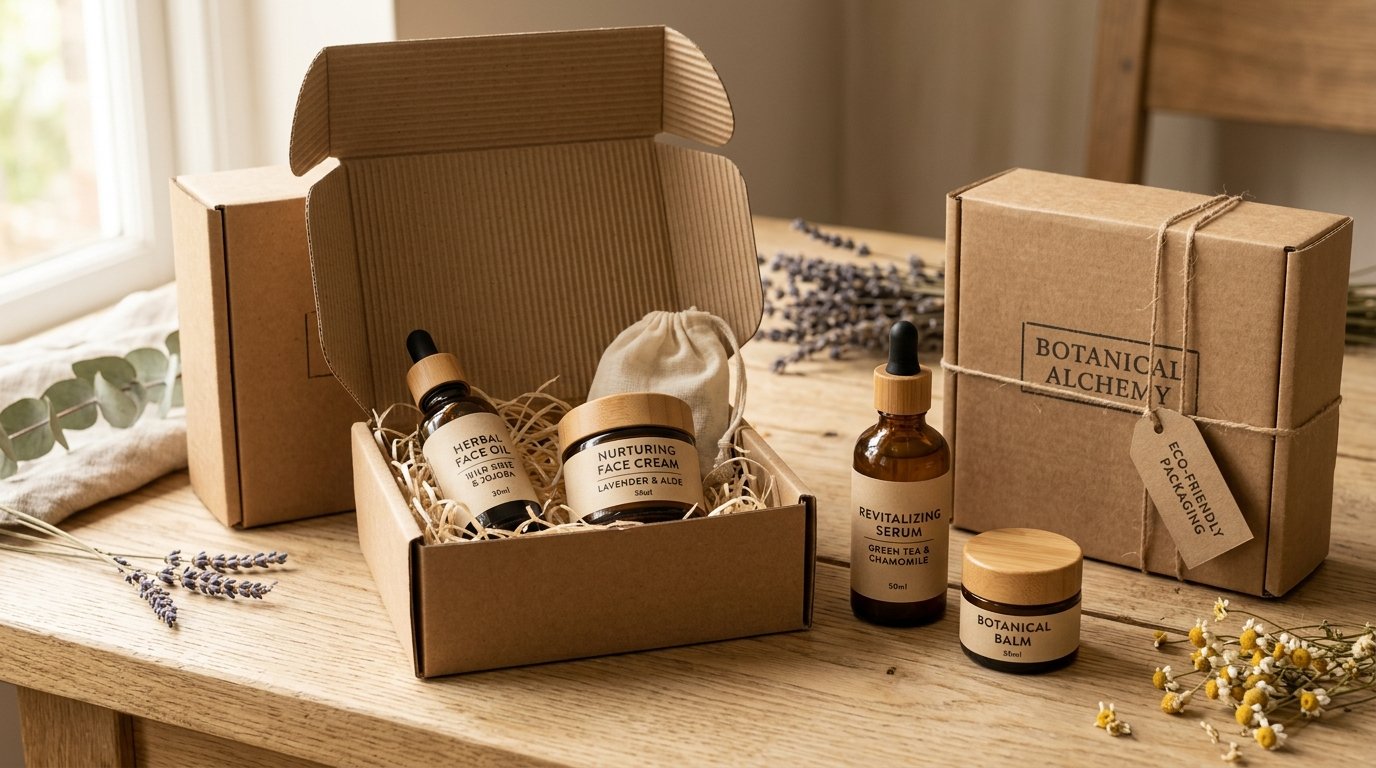
When paperboard is recycled in pulp mills, the old printed ink must be stripped away in an industrial wash process known as de-inking:
### The Problem with Mineral Oil Inks (MOSH/MOAH):
- Petroleum-derived mineral oils (Mineral Oil Saturated/Aromatic Hydrocarbons) bond aggressively to paper fibers and cannot be fully filtered out, contaminating recycled pulp used for food boxes.
- Vegetable oils (soybean, canola, linseed) separate effortlessly from cellulose fibers when agitated with warm water and air bubbles in flotation de-inking cells.
- Results in Whiter, Stronger Recycled Pulp: Generates higher grade recycled paperboard with zero toxic chemical migration.
### The Vegetable & Soy Ink Advantage: